Space science
Cold Moon Rises with Jupiter This Weekend
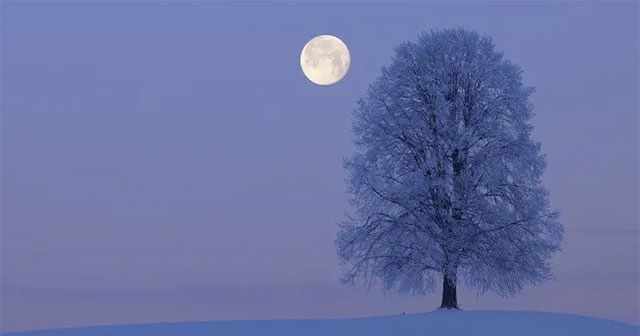
The Cold Moon is the last full moon of the 2024 calendar year and will rise higher in the night sky than any other full moon, nestled next to Jupiter.
Browse ScienceInfo articles and explainers related to Full Moon.
83 published items.
The Cold Moon is the last full moon of the 2024 calendar year and will rise higher in the night sky than any other full moon, nestled next to Jupiter.
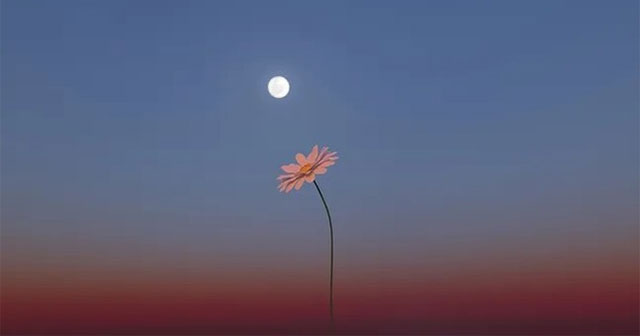
The full moon of the third lunar month, nicknamed the Pink Moon, will appear bright and round in the sky from April 22-24.

You may not know when the full moon rises, a lot of strange things happen on Earth: corals lay eggs, zooplankton dive deeper, seabirds perch near the shore, lions also h…
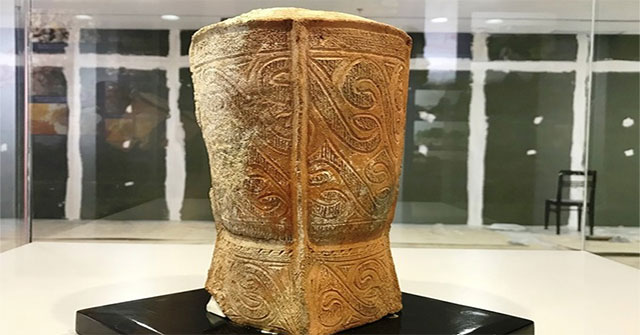
While going to Dau Tam Mountain to exploit stone, local people discovered a ceramic vase in a stone niche.
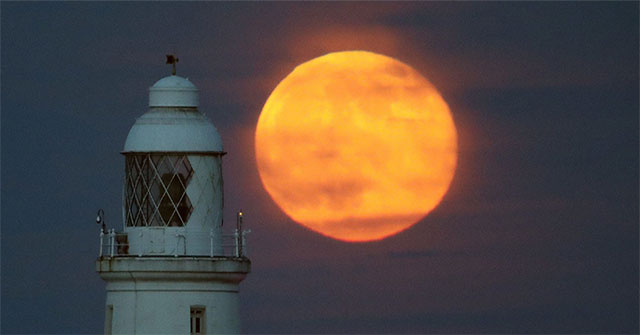
The last supernova of 2020 will occur this week with brightness that could eclipse the Eta Aquarids meteor shower, according to NASA.
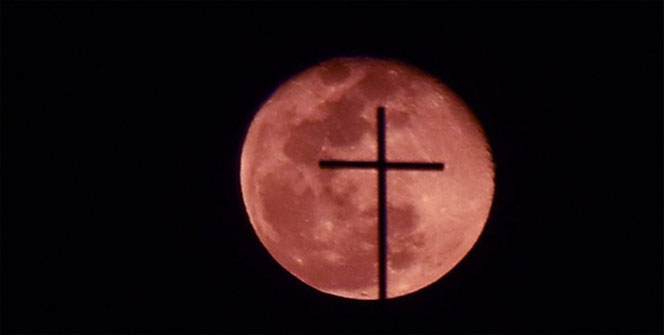
The biggest moon in 2020 will light up the sky on April 8, when the moon is full and very close to Earth.
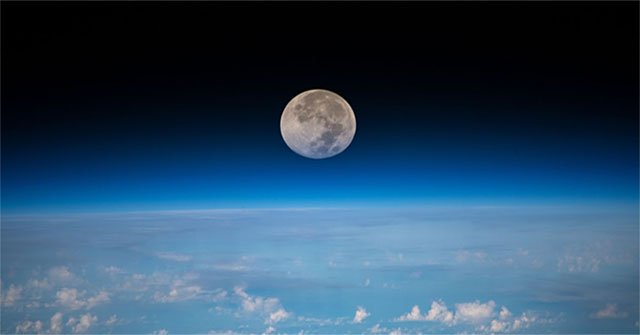
Scientists have discovered electricity in the outermost atmosphere of the Moon as it enters the affected area of the Earth's magnetosphere.
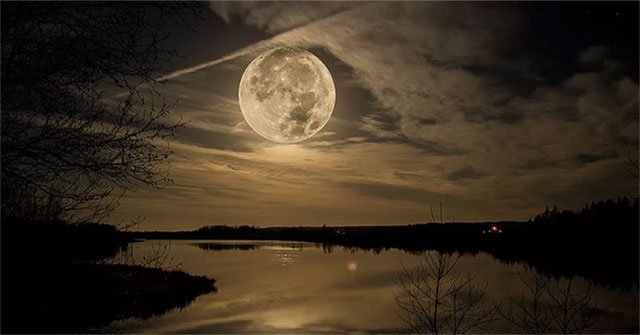
February is a good time to look at the sky with bright planets and the appearance of a supermoon, peaking on February 9.
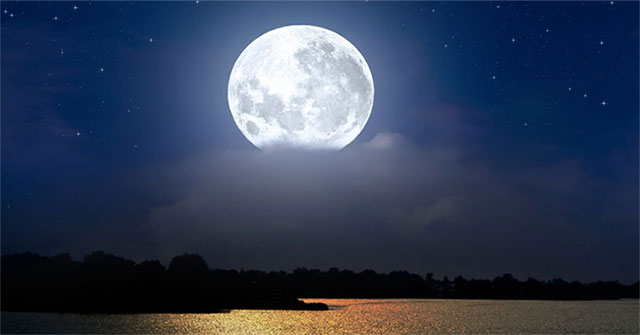
In 2020 astronomy lovers have the opportunity to see 13 full moons appear in the sky, more than the usual number each year.
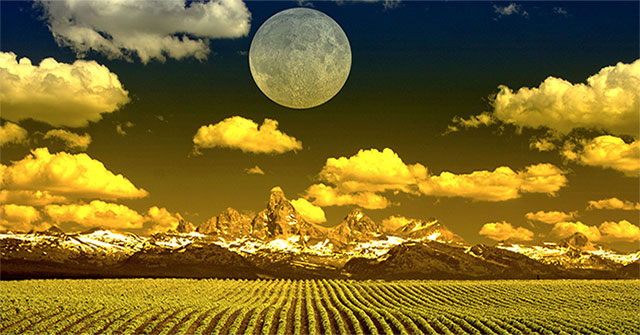
A rare moon will soon appear in the sky to coincide with the unlucky day of the 13th day.
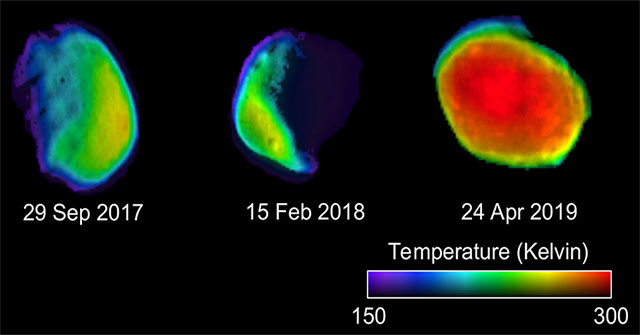
For the first time, the spacecraft orbits the Mars Odyssey orbit of the US Aerospace Agency (NASA) that captured the full moon image from Mars's Phobos Moon.
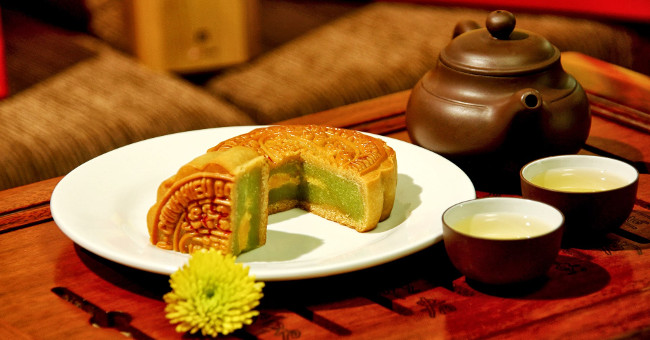
Talking about food during the Mid-Autumn Festival, not to mention the moon cake. Let's go around Asia to see which countries have interesting mooncakes.
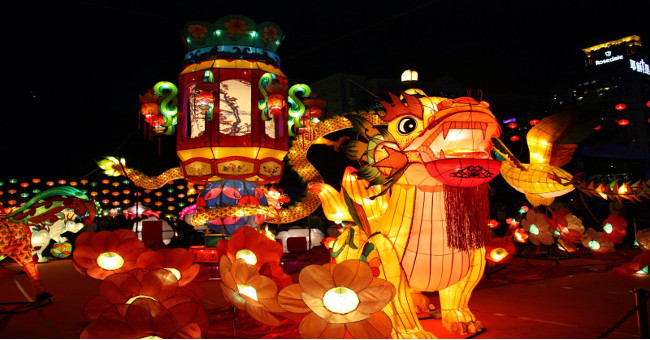
Not only Vietnam, many other Asian countries also celebrate Mid-Autumn Festival on August 15th lunar month.
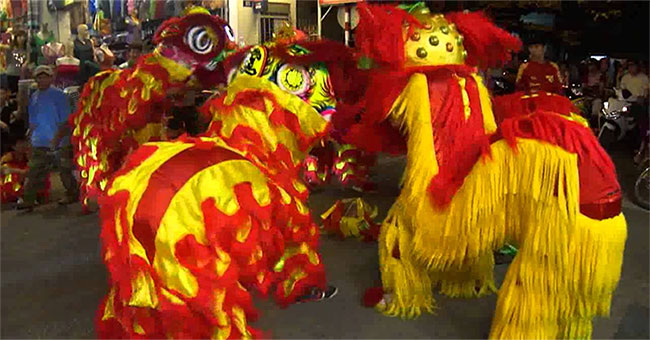
Every Mid-Autumn Festival, probably many people will be reminiscent of childhood with unforgettable games ...
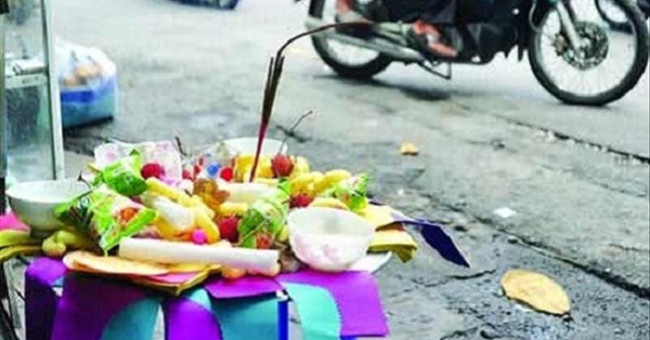
On the full moon day of July - day of death, in some Asian countries, there are extremely unique and strange customs.